Blog
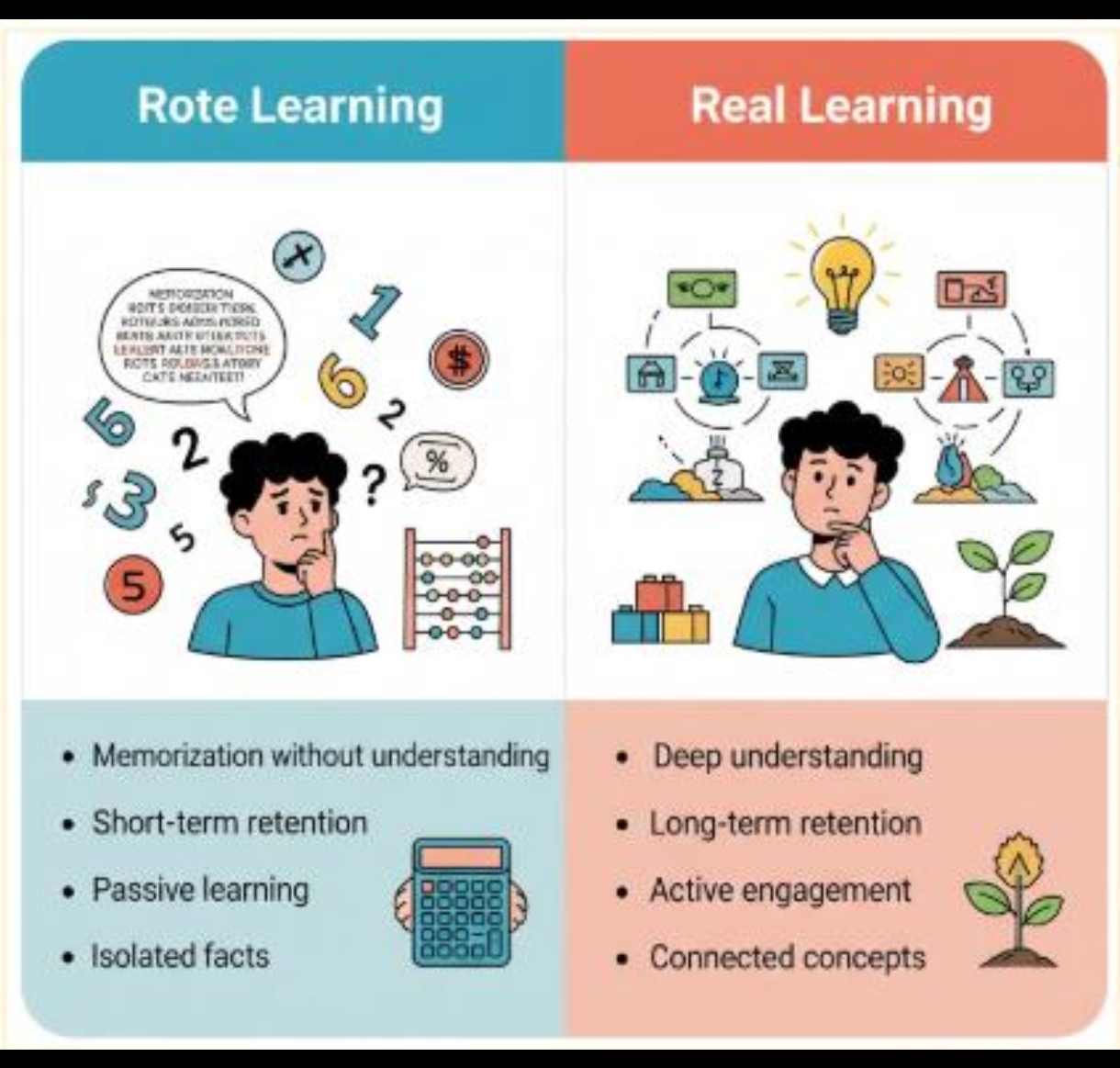
Study Smarter, Not Harder🧠
Angle: Techniques over long hours
Smart work beats long hours, every single time.
Smart Study Strategy Guide
🎯 Objective of Smart Studying
The main aim is to maximize learning in less time by focusing on understanding, retention, and application rather than just memorization.
It helps reduce stress, improve performance, and build long-term knowledge.
📚 1. Conceptual Uunderstanding Over Memorization
- What it Means Learning the logic, meaning, and process behind a topic instead of just remembering words.
- Why it Matters Helps in solving application-based questions Reduces exam stress Builds a strong foundation for higher studies
- How to Do It Ask “Why does this happen?” Teach someone else (best method!) Use real-life examples
📝 2. Smart Study Techniques (Mind Maps, Short Notes, Active Recall)
- Key Techniques Mind Maps: Visual connections between topics Short Notes: Key points in your own words Active Recall: Test yourself without looking
- Benefits Faster revision Better memory retention Clear understanding of complex topics
- Pro Tip Use colors, diagrams, and keywords instead of long paragraphs.
⏳ 3. Time Management & Breaks
- Study Pattern 45–50 min study 5–10 min break
- Why Breaks Are Important Prevents burnout Improves concentration Keeps your brain active
- Technique to Use 👉 Pomodoro Technique (very effective for students) ✔️
4. Practice & Application
- What to Practice Sample papers Previous year questions Mock tests
- Importance Improves speed & accuracy Identifies weak areas Builds exam confidence
- Smart Tip Don’t just solve—analyze your mistakes. 🔁
5. Consistency Over Intensity
- Key Idea Studying 1–2 hours daily is better than studying 10 hours once a week.
- Benefits Builds discipline Reduces last-minute pressure Improves long-term memory
- How to Stay Consistent Make a simple timetable Set small daily goals Track progress
📵 6. Avoid Distractions & Build Focus
- Common Distractions Mobile phone Social media Noise
- Solutions Keep phone away or use focus apps Study in a quiet place Use “Do Not Disturb” mode
- Result Better focus = less time + more productivity 🧠
7. Revision Strategy (Very Important)
- Why Revision Matters Without revision, you forget up to 80% of what you learn.
- Smart Revision Plan Revise within 24 hours Weekly revision Monthly quick recap
- Techniques Flashcards Quick notes Self-testing
🎯 8. Goal Setting & Planning
- Types of Goals Daily goals (small tasks) Weekly goals Exam goals
- Why It Helps Gives direction Keeps you motivated Reduces confusion
💡 9. Healthy Study Habits
- Important Habits Proper sleep (7–8 hours) Drink water Eat healthy food
- Impact A healthy body = better concentration & memory
✨ Final Conclusion:
Smart studying is about strategy, not struggle.
When you combine understanding + practice + consistency + focus, you naturally perform better without stress.
Copyright | Olymp Quiz. All Rights Reserved